How to Choose the Right Typeface for Branding Projects
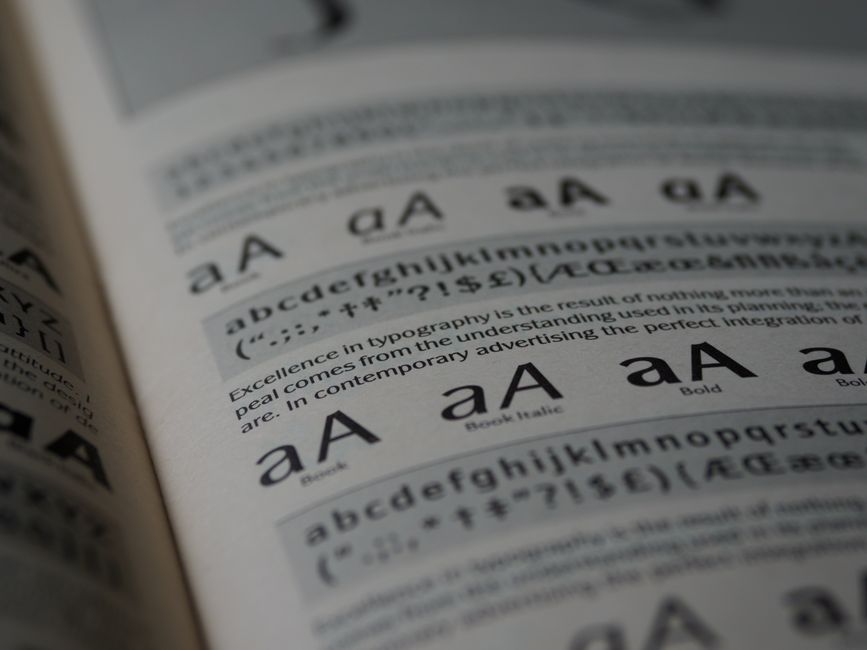
Typography plays a central role in how a brand communicates its identity. The typeface chosen for a branding project influences perception, readability, and emotional response. When designers approach typeface selection, they consider a range of factors that go beyond personal preference. The process involves evaluating how a typeface aligns with the brand’s voice, how it performs across different media, and how it contributes to the overall visual system. This article outlines a set of criteria that can guide professionals in making informed decisions about typefaces for branding projects.
Because branding relies on consistency and recognition, the typeface used must be versatile enough to appear in multiple contexts, from logos and headlines to body text and digital interfaces. At the same time, it must support the brand’s core message without introducing conflicting visual cues. A thoughtful selection process helps ensure that the typeface enhances communication rather than detracting from it. The following sections explore key considerations that designers may take into account during this process.
Understanding Legibility and Readability
Legibility refers to how easily individual characters can be distinguished from one another, while readability concerns the ease with which blocks of text can be processed. Both are essential for any branding typeface, though the balance between them may shift depending on the intended use. For example, a display typeface used primarily in logos may prioritize distinct character shapes and visual impact, whereas a typeface intended for long-form body copy must support sustained reading without causing fatigue.
Designers often evaluate legibility by examining letterforms in small sizes and testing their performance on screen and in print. Key details such as x-height, contrast, and spacing can affect how well a typeface performs. A typeface with generous x-height and open counters, for instance, tends to remain legible even at reduced sizes. Similarly, appropriate tracking and kerning contribute to overall readability. When assessing legibility, it is helpful to test the typeface in the actual contexts where it will appear, as environmental factors like lighting and viewing distance also play a role.
Evaluating Mood and Personality
Every typeface carries an intrinsic mood or personality that influences how the audience perceives the brand. Serif typefaces often evoke tradition, reliability, or formality, while sans-serif styles can feel modern, clean, or approachable. Script and decorative typefaces may communicate creativity, elegance, or informality, though they can also be more difficult to read in extended text. The choice of typeface should support the emotional tone the brand aims to convey, whether that is trustworthy, innovative, friendly, or authoritative.
Designers can systematically evaluate mood by considering typographic attributes such as weight, contrast, and shape. A heavy, condensed typeface might project strength and stability, while a light, extended typeface could feel airy and delicate. It is also useful to examine the historical and cultural associations of a typeface. For instance, typefaces rooted in certain historical periods or movements may carry connotations that align or conflict with a brand’s intended image. The goal is to select a typeface whose personality complements the brand without overpowering the message it carries.
Aligning with Brand Values
Brand values provide a framework for evaluating whether a typeface is appropriate. A brand that values transparency and clarity may benefit from a straightforward, geometric sans-serif typeface with neutral characteristics. A brand that emphasizes craftsmanship and heritage might lean toward a serif typeface with refined details and a warm feel. The typeface should not only match the brand’s verbal tone but also reinforce its visual identity across all touchpoints.
In practice, this alignment often requires looking beyond surface-level aesthetics. Designers may examine the typeface’s origin, the intentions of its designer, and the contexts in which it has been used previously. Some typefaces carry strong preexisting associations due to widespread use in specific industries or by well-known brands. While these associations can be leveraged intentionally, they may also introduce unintended meanings. Testing the typeface in context and gathering feedback from stakeholders can help ensure that it aligns with the brand’s values and goals.
Considering Versatility and Scalability
A typeface used in branding must function across a wide range of applications, from small digital icons to large outdoor signage. Versatility involves having a sufficient range of weights, styles, and language support to meet the demands of different media. A typeface that offers multiple weights, italics, and small caps may provide the flexibility needed to maintain consistency while adapting to various formats. Additionally, support for extended character sets becomes important when the brand operates in multilingual markets.
Scalability is closely related to legibility but focuses on how well a typeface performs at extreme sizes. A typeface that works well on a mobile screen may appear too delicate when enlarged for a billboard. Testing the typeface at both very small and very large sizes can reveal potential issues such as uneven stroke widths, poor contrast, or awkward spacing. Designers often create mockups of typical brand applications to evaluate performance before making a final selection. The ability of a typeface to retain its character and readability across scales is a strong indicator of its suitability for branding projects.
Testing Across Media and Contexts
Before finalizing a typeface choice, it is essential to test it in the environments where the brand will interact with its audience. This includes digital screens, printed materials, environmental signage, and motion graphics. Each medium presents unique constraints regarding resolution, color rendering, and viewing conditions. For instance, typefaces with thin strokes may lose detail on low-resolution screens, while typefaces with high contrast may produce distracting moiré patterns in print.
Testing also involves evaluating the typeface alongside other visual elements such as logos, imagery, and color palettes. The typeface should integrate smoothly with the broader design system without creating visual conflict. Designers may create a series of mockups that represent the brand’s primary touchpoints, then review them for consistency and effectiveness. Involving multiple team members in this review process can provide diverse perspectives and help identify issues that might otherwise go unnoticed. Ultimately, thorough testing reduces the risk of discovering problems after the design is implemented.
Selecting a typeface for a branding project is a process that requires careful consideration of multiple factors. By examining legibility, mood, brand alignment, versatility, and real-world performance, designers can make choices that support effective communication. While no single typeface will be perfect for every situation, a methodical approach helps ensure that the selected typeface contributes positively to the brand’s identity and message. Design Spectrum encourages professionals to view typeface selection as an ongoing part of brand development, where regular reevaluation may be beneficial as the brand evolves.